

I have often found that the Manhattan rental market demands constant attention. Properties in New York City aren’t just bricks and mortar—they are living investments. In my years advising investors at Azimuth Realty, I’ve noticed that small signals can point to something bigger: underperformance. Spotting them early can help owners shift direction and reclaim momentum.
What does it mean to underperform in Manhattan?
When I’ve reviewed investment portfolios with clients, underperformance doesn’t always mean a glaring vacancy or total loss. Sometimes, it’s subtle: lower returns, higher stress, or hidden costs. A high-net-worth owner expects not just occupancy, but strong cash flow, minimal headaches, and—most of all—growth.
In the Manhattan context, underperforming means your property is not meeting its income and appreciation goals compared to the market or your original projections.
Sign 1: Chronic vacancies
If your rental sits empty for weeks or months while similar units fill up, there’s a red flag. In my experience, Manhattan apartments—especially those in prime neighborhoods—should attract steady demand if priced and presented properly.
Sign 2: Frequent turnover
I see many owners mistake high occupancy for success, overlooking the churn in tenants. Too many turnovers means lost rent, extra cleaning, and advertising costs. Tenants should want to stay.

Sign 3: Below-market rents
If your unit rents for less than others in your building—or the neighborhood—you might be leaving money on the table. I often recommend clients check recent leases and use data-driven platforms to compare.
I’ve seen several Manhattan landlords believe their long-term tenants guarantee stability, but if these tenants are paying outdated rents, the property’s value erodes.
Sign 4: High operating expenses
When expenses creep up and eat into your net operating income, it’s time to pause. Repairs, taxes, utilities, or insurance that grow faster than rent signals uneven management. At Azimuth Realty, we track these metrics with technology, pinpointing when and why costs exceed the norm.
Sign 5: Deferred maintenance
I’ve walked apartments where long-term neglect made otherwise desirable rentals hard to fill. Chipped paint, leaky faucets, or dated appliances deter the best tenants and lower your asking price. A property that’s not regularly updated loses market appeal faster than most owners expect.
Sign 6: Poor tenant quality
If lease violations, late payments, or noise complaints are common, there’s a deeper issue. Consistently attracting problematic tenants—while others line up for neighboring units—is a powerful sign of underperformance.
It’s not just about filling space; it’s about filling it with the right people.
Sign 7: Flat or declining property value
Manhattan is known for appreciation, but I’ve reviewed investment analysis where the numbers just didn’t add up. If value stays flat while peers rise, or if new construction makes your building seem dated, action is needed.
You’ll find more about market value trends under our market insights resources.
Sign 8: Negative cash flow
A shortfall every month, even with decent gross rent, means your building is working against you. I believe any investor needs to track cash flow in real time, not just at tax season.
Sign 9: Lack of rent growth
I’ve noticed owners sometimes settle for static leases for years. But steady rent growth should be the norm unless market conditions are sharply adverse. If your rents are unchanged while Manhattan sees gains, you’re lagging behind.
Rent growth is a clear measure of investment health and future returns.
Sign 10: Management headaches
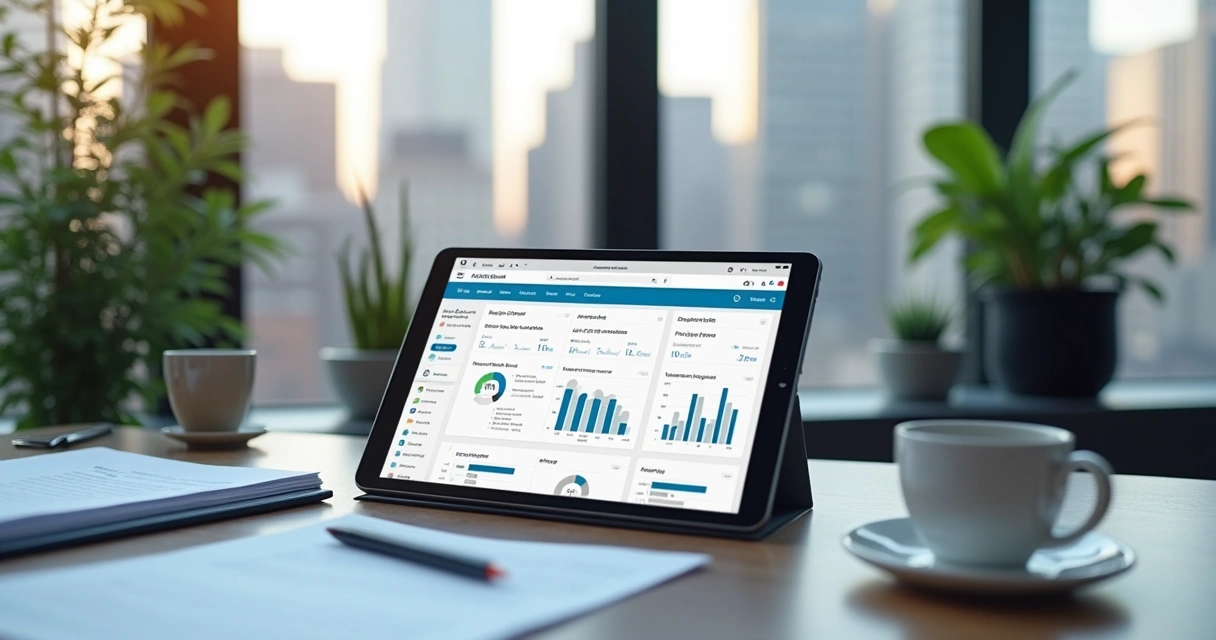
The time you spend resolving disputes, handling maintenance, or coordinating repairs matters. If managing the property drains more time and energy than your other assets, something is wrong. Many Azimuth Realty clients switch to tech-enabled oversight for this reason, simplifying daily operations.
Sign 11: Weak amenities compared to new builds
I often remind Manhattan landlords: renters today expect more. If your property lacks features now considered standard—gyms, laundry rooms, secure entry, or high-speed Wi-Fi—potential tenants might look elsewhere. The gap between expectation and reality can shrink your tenant pool quickly.
Sign 12: Poor reviews or word of mouth
Sometimes, it’s simple feedback—on social media, rental apps, or even among brokers. If you start hearing negative feedback about your building or management style, it’s wise to take it seriously. In a connected city like New York, reputation travels fast and impacts your leasing prospects.
Your reputation will either fill your units or empty them.
How to respond and regain performance
When I spot underperformance, I urge clients not to wait. First, collect real data: rent rolls, expense reports, maintenance logs, and comparable leases. Then, compare actual performance with your projections and current market averages. Sometimes, a fresh perspective from a trusted advisor can help. I often use insights from our investment strategy blog to guide my recommendations.
Technology plays a big role. The automation and clarity from digital management systems have helped many Azimuth Realty clients prevent mistakes or catch issues early. Platform tools can streamline everything from maintenance tracking to tenant communication.
If repairs are overdue, address them. If rents trail the market, consider fair and legal increases. If the asset has reached a plateau, reposition or even consider a strategic sale. You can explore our thoughts on luxury real estate repositioning and off-market deals for other long-term ideas.
Making smart calls in a complex market
In my view, even seasoned owners in Manhattan sometimes miss these signals because they are too close or too busy. I always tell new clients: treat your rental as a dynamic business, not just a static asset. If you manage proactively and stay current with local expectations, your building will serve you well.
You can learn more about proactive management approaches and technology at our property management resources. To see a practical example of how integrated management changed an owner’s experience, read our detailed case study.
Conclusion
Spotting the signs of underperformance early is the only way to preserve and grow your investment in Manhattan. If you see even a few of these signals, I encourage you to act rather than wait. Azimuth Realty specializes in helping high-net-worth clients read these clues and turn problems into new potential. Connect with us so we can help your property reach its full potential in Manhattan’s competitive market.
Frequently asked questions
What is an underperforming rental property?
An underperforming rental property is one that is not meeting its financial or operational targets compared to similar properties or your original investment plan. This may mean lower rents, frequent vacancies, high turnover, or excessive operating expenses. If your Manhattan rental is lagging in income, value, or tenant quality, it is underperforming.
How to spot low-performing Manhattan rentals?
You can spot low-performing Manhattan rentals by looking for signs like chronic vacancies, below-market rents, high costs, negative cash flow, slow property value growth, and unsatisfied tenants. Comparing your results with current market data, as I often advise at Azimuth Realty, quickly shows if your rental isn’t keeping up.
When should I sell my rental property?
You should consider selling your rental if it consistently underperforms, needs major and costly repairs, or if market trends show better opportunities elsewhere. I suggest reviewing your investment objectives and speaking to a trusted advisor, since timing and market trends make a big difference in Manhattan.
How can I improve rental performance?
Improving rental performance often involves addressing deferred maintenance, adjusting rents to match the market, upgrading amenities, and using technology for better property management. Working with data-driven advisors, such as those at Azimuth Realty, can uncover opportunities for better returns.
Is it worth it to renovate rentals?
Renovating rentals can be worthwhile, especially in Manhattan, where tenant expectations are high. Upgrades can boost rent, attract higher quality tenants, and increase long-term value. However, I always recommend running the numbers first to make sure the investment will pay off.