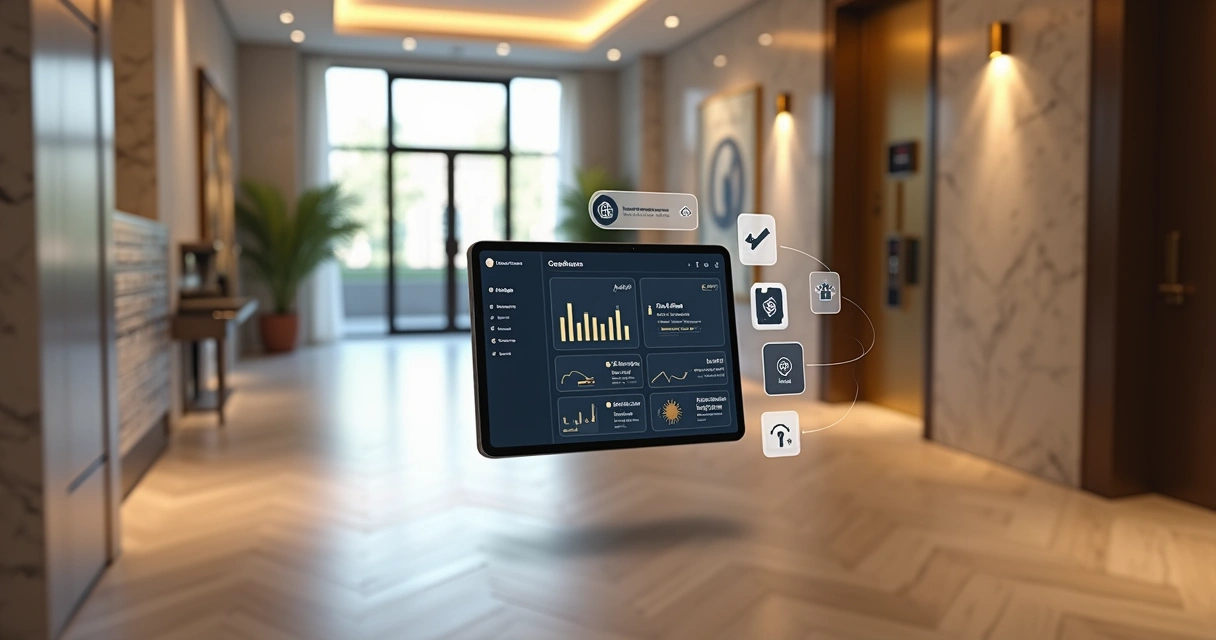

In my two decades working with high-value real estate portfolios in New York City, I’ve seen the same mistakes echo across property owners, experienced investors, and even some professionals. Portfolio management seems straightforward, but small missteps can cascade into lost capital, legal pitfalls, or missed growth. In this article, I want to pull back the curtain based on what I have witnessed, and explain how projects like Azimuth Realty approach portfolio management while avoiding the most common errors in the sector.
Why property portfolio management often goes wrong
Real estate is emotional. That’s one of the first things I noticed in this field. When owners are tied to their properties or investors believe in “gut feeling,” decision-making can become clouded. But emotions are just one piece. There’s also the ongoing complexity of NYC’s market, regulatory pressure, and the pace of change in technology and tenant needs. From my perspective, bad decisions, more often than not, come from:
- Lack of structured strategy
- Poor information flow
- Inattention to regulatory changes
- Underestimating risk factors
- Ignoring digital management tools
These blind spots can haunt even the most sophisticated investor or owner, which is why a fresh, systematic view is so necessary today. Let’s break down the errors I see most.
Focusing on property, not portfolio
I often encounter owners and investors obsessed with one or two “star” assets in their portfolio, treating them as if success there ensures strong returns everywhere else. In reality, properties perform differently according to their type, neighborhood, or even season. One condominium may shine during boom cycles, while multifamily assets might steady the ship in downturns.
It’s not about one asset, but how all the parts combine.
Azimuth Realty’s approach, which merges technology with advisory expertise, helps clients look past the shine of a single building. The most successful strategies analyze the total mix, not just individual properties.
For those wanting to study more on property management approaches, the Property Management blog section is a valuable resource.
Ignoring data and relying solely on instinct
There was a time when “knowing a neighborhood” seemed enough. Now, with so much money on the line and competition in NYC’s luxury and investment sector, data is the only way to gain an edge. I have met owners who decide on sales or renovations because their gut says so, only to regret it later. Data uncovers:
- Market rent dynamics
- Occupancy and vacancy trends
- Cost patterns and areas for improvement
- Long-term appreciation paths
I believe that gut feeling with no data is just guessing. That’s one reason Azimuth Realty built a digital platform: to centralize and clarify essential information. Owners need regular, clear reporting. And investors should track how every property is performing, not just remember last year’s numbers.
Poor or irregular communication
Communication often seems simple—until misunderstandings cause delays, contract errors, or tenant frustrations. I’ve handled many cases where months of silence led to costly surprises: missed lease renewals, delayed repairs, or investment opportunities evaporating because someone didn’t pick up the phone.
Communication should be two things: timely and transparent. Real estate technology now allows owners, managers, and stakeholders to share real-time updates, documents, and workflows. At Azimuth Realty, this is backed by our web application so nothing gets stuck in a forgotten email or unreturned call.
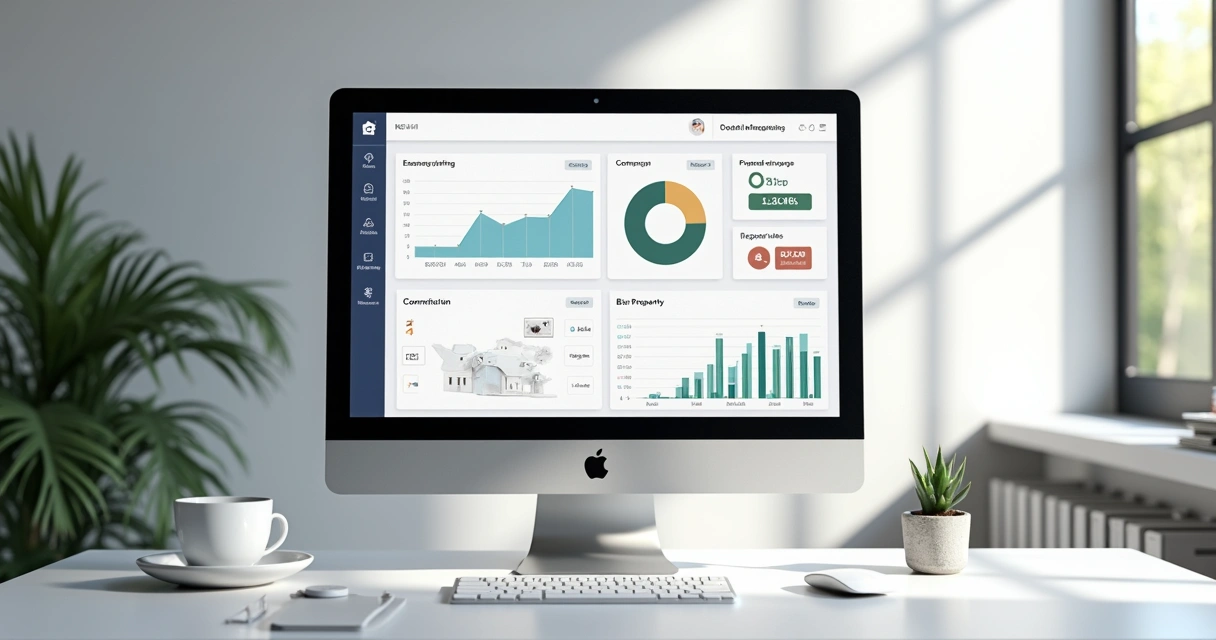 If you’re interested in more advanced communication strategies within property oversight, check out some actionable tips in the recent management guide we shared.
Neglecting risk and compliance
Whether it’s a luxury penthouse, a multi-unit portfolio, or a mixed-use property, risks are everywhere. New York City’s regulations shift frequently: zoning, safety, short-term rental rules, to name just a few. I’ve met seasoned investors caught by a single overlooked law change or misfiled inspection report, facing large fines.
- Insurance lapses
- Missed compliance deadlines
- Poor documentation
- Failure to adjust lease structures to new laws
Strong portfolio management combines regular legal reviews, insurance check-ups, and clear documentation. Azimuth Realty uses digital tools to remind owners and managers of critical dates, supporting compliance efforts and reducing exposure to risk.
Poor cash flow tracking and forecasting
Cash flow is the heartbeat of any property portfolio. In my experience, failing to monitor it closely is one of the fastest ways to run into trouble. Common mistakes I see include:
- Forgetting about seasonal costs (like repairs or higher heating bills)
- Assuming rent collection will always be on time
- Not planning for periods of vacancy
- Delaying maintenance to “save” money, causing larger repairs later
Advanced solutions, such as the platform used within Azimuth Realty, reinforce budgeting and forecasting best practices, giving owners and investors a clear view of upcoming inflows and outflows.
Failure to diversify or rebalance
I’ve talked with investors who “fell in love” with one building type and never looked outside their comfort zone. Others refuse to rebalance—even when certain assets in their portfolio consistently underperform. This stagnation leads to missed opportunities and lower long-term growth.
To me, a healthy portfolio is one that adapts. That means:
- Assessing asset performance regularly
- Considering different neighborhoods, property types, or strategies
- Selling or acquiring assets based on market data, not emotions
This method of rebalancing aligns with the long-term view. For readers serious about learning how to improve investment strategy, the Investment Section on the blog is a reliable place to begin.
Overlooking value in off-market opportunities
One thing I have learned while advising high-net-worth clients: the best deals are rarely listed. Off-market opportunities are essential for finding unique value or securing premium properties before the crowd.
If you only see what everyone else sees, you’ll only get average results.
Azimuth Realty puts a major focus on off-market transactions, helping clients find and secure deals quietly and efficiently. This often results in stronger portfolio performance and deeper market insight. Curious about how the city’s off-market scene works? There’s a great overview in the market insights section.
Overcomplicating with manual processes
Managing a property portfolio used to require piles of paperwork, endless spreadsheets, and constant back-and-forth by email or phone. I remember those days well, and I remember the mistakes they caused: missed payments, misfiled documents, and slow response times. Manual processes are not just time-consuming. They introduce human error at every step.
Now, with platforms designed for property oversight, owners can monitor performance, automate reminders, and centralize everything. The proprietary application at Azimuth Realty is a clear example of how digital-first management makes daily operations simpler and more accurate.
 For a closer look at digital transformation in real estate management, the case study on new management tools at this blog post is worth reading.
Conclusion: Smarter portfolio management starts with better decisions
After years of working with real estate portfolios large and small, I’ve learned that the biggest risk is not the market, but managing without structure or insight. When I see owners or investors avoid the errors above—by focusing on data, keeping communication clear, using technology, and staying alert to market changes—they protect and grow their wealth sustainably.
Azimuth Realty is committed to supporting property owners and investors in New York City with these priorities at the center. If you’re interested in discovering how our technology and real estate advisory approach can help you avoid the typical pitfalls, I encourage you to reach out and start a smarter journey toward real estate success today.
Frequently asked questions
What is real estate portfolio management?
Real estate portfolio management is the process of overseeing multiple property investments or holdings as a group. It involves planning, monitoring performance, balancing risk, and making decisions that help the entire portfolio grow or meet financial goals. At Azimuth Realty, portfolio management integrates advisory expertise with digital tools to support property owners and investors in making better-informed decisions across their entire property mix.
What are common mistakes in property portfolios?
Common mistakes include focusing too narrowly on individual assets, relying solely on instinct instead of data, missing regulatory updates, neglecting communication, failing to track cash flow, avoiding portfolio rebalancing, ignoring off-market deals, and overusing manual processes. I have seen these issues repeat in many cases, often leading to avoidable losses or missed growth.
How to avoid errors in portfolio management?
To avoid errors, I recommend adopting a systematic approach: use data and digital tools for decision-making, set up regular performance reviews, communicate early and clearly with all stakeholders, stay informed about changing regulations, and remain flexible with strategy. Projects like Azimuth Realty offer integrated platforms and advisory services to address exactly these points.
Is it worth hiring a portfolio manager?
If you have multiple properties or significant investment at stake, hiring a professional portfolio manager makes sense. They bring structured processes, deeper market insight, access to off-market deals, regulatory knowledge, and digital management tools—helping to protect and grow your wealth over time.
How can I improve my property portfolio?
You can improve your portfolio by setting clear goals, diversifying property types and locations, tracking cash flow closely, reviewing performance often, taking advantage of technology, and seeking advice from experienced professionals. For more guidance and examples, Azimuth Realty’s blog sections on investment and property management contain practical tips and resources.