

Over the years, I have watched the New York City real estate market weather waves of change—sometimes moving quietly, sometimes with unmistakable force. In my experience, few things bring as much anticipation, uncertainty, and potential as a shift in interest rates. As 2026 approaches, the conversation around higher interest rates and their likely impact on NYC real estate investment is growing louder. Let me break down what I think investors, property owners, and buyers really need to understand.
Why rising interest rates matter
Interest rates affect almost every aspect of real estate. When they rise, borrowing becomes more expensive, and returns need to be recalculated. In NYC—a market that magnifies every financial trend—rising rates can change who invests, how they invest, and what gets built. Based on my research and the client conversations I have had at Azimuth Realty, it becomes clear that each upward tick in rates sends ripples through luxury condos, rental buildings, and investment-grade assets alike.
Rising rates change the math overnight.
For those holding property, these changes mean more than just a higher monthly mortgage payment. They shift the calculation about whether to sell, hold, or upgrade an asset, especially when every percentage point in interest can mean hundreds of thousands of dollars over the life of a loan.
What to expect: Investment landscape in 2026
If rates continue upward as many analysts predict, I foresee a very different landscape for NYC real estate by 2026. Through personal observation, here are some changes I expect to see:
- More cautious debt: Borrowers will become even more disciplined, and only the best collateral or well-structured deals will justify financing.
- Greater focus on cash flow: Investors will prioritize buildings and units that generate stable income, rather than betting on rapid appreciation. Underwriting standards will grow stricter, especially for leverage higher than 60-65%.
- Shift toward all-cash buyers: With financing costs rising, buyers with deep reserves—often international or institutional—will have a clear advantage.
- Price adjustments: Sellers may need to moderate expectations. In my experience, higher rates usually mean buyers push for discounts to offset costlier debt.
Azimuth Realty’s approach is built for this kind of environment. We favor disciplined underwriting, careful timing, and exclusive off-market opportunities, especially when the public market is uncertain. Our focus on precise, data-driven analysis helps clients anticipate these cycles rather than simply react.
Residential vs. commercial: Who feels it most?
There’s no single answer to who will be most affected. From what I have seen, both residential and commercial properties feel the impact, but in different ways. In neighborhoods where luxury condos saw rapid price growth, it is common to see price corrections as higher rates dampen demand. For multi-family and mixed-use buildings, rental yields must now justify not only the asset price but also the increased cost to finance.
Commercial landlords and office building owners may also face difficult choices. As companies rethink office footprints, those relying on high leverage will experience the greatest pressure when loans reset at higher rates. This often leads to more creative deal structures, joint ventures, or recapitalizations. Experienced investors—like many we serve at Azimuth Realty—see these moments as opportunities to acquire assets whose owners are caught off guard.

How investors are adapting their strategies
I am often asked what real investors are doing right now. Based on what I see at Azimuth Realty and across the market, here’s how sophisticated buyers are adapting:
- Re-balancing portfolios to include more stable, income-producing properties
- Shortening the hold period for “flip” opportunities, but analyzing transaction costs more carefully
- Prioritizing deals where value can be created through renovation, repositioning, or operational improvement, not just market growth
- Exploring investment-grade opportunities that previously seemed out of reach
- Using off-market acquisitions to avoid bidding wars and find better entry pricing
In my view, those who thrive in rising-rate environments are the ones who think a few steps ahead. They crunch numbers with discipline, challenge every assumption, and always have a second option if the market turns.
Technology as a management tool
With tighter margins, maximizing efficiency in property management matters even more. I designed Azimuth Realty’s digital platform for owners with this in mind. By centralizing documentation, financial oversight, and communication, our clients gain more control during volatile times. Technology cannot change interest rates, but it can help owners identify leaking costs, optimize cash flow, and make better capital allocation decisions.
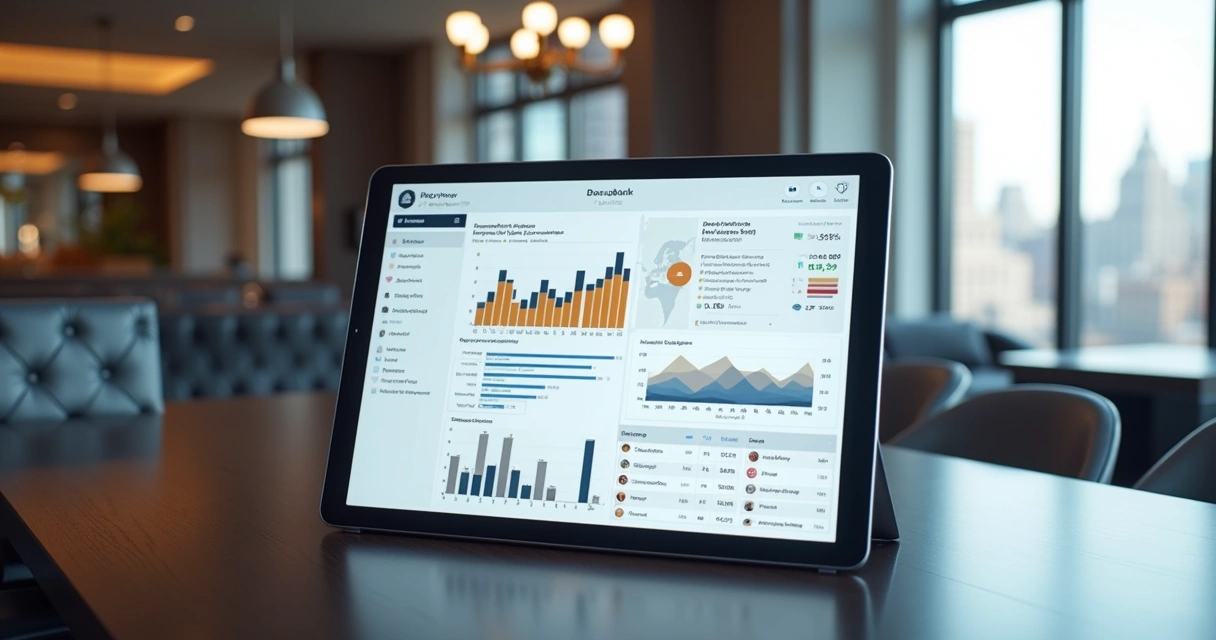
For a closer look at how data and management intersect, the market insights section of our site provides ongoing updates and case studies on adapting in shifting markets.
Spotting opportunity in uncertainty
Something I have learned over two decades is that uncertainty creates new opportunity. Rising rates can mean less competition, more motivated sellers, and—if you are careful—a stronger position. Some of the best investments I have seen have come during difficult, unpredictable times.
- Off-market deals become more common as owners quietly seek solutions to the new cost structure
- Luxury buyers, especially international ones with cash, often take advantage of discounted prices
- Investors with a long-term view can secure properties at prices not seen in years
If you want insights on how luxury assets hold value through economic cycles, our luxury real estate articles cover some emerging trends for premium buyers.
What does this mean for 2026 buyers and owners?
In my view, higher rates by 2026 will test plans and patience—but also reward realism and preparation.
Buy with discipline, manage with data, and always have a backup plan.
It is also a good time to revisit your exit strategies and look at the potential for 1031 exchanges, which have proved useful for many of Azimuth Realty’s clients. For some quick reads on strategic selling and reinvestment, see this case and the follow-up example here. Both highlight how timing, strategy, and the right network can turn challenges to your advantage in NYC.
Conclusion: Preparing together for a new market reality
As 2026 draws closer, I think honesty and readiness matter more than at any time in the last decade. Interest rates will continue to shape and shift the investment terrain in New York City. Those of us willing to study the numbers, work with trusted advisors, and use the best technology will find paths that others might miss.
At Azimuth Realty, my goal has always been to help you make decisions based on strategy—not just hope. If you are thinking about the next step in NYC real estate, whether buying, selling, or managing, reach out to us. Our advisory and digital management tools are designed for exactly this moment of change.
Frequently asked questions
What are rising interest rates?
Rising interest rates mean the cost to borrow money is increasing, often as central banks adjust policy to manage inflation or economic growth. In real estate, this impacts mortgage rates, loan terms, and the financing available to both buyers and owners.
How do higher rates affect NYC investments?
Higher rates usually make borrowing more expensive, which can reduce buying power and push investors to look for properties with strong cash flow. In NYC, I often see price adjustments, stricter lending criteria, and a preference for all-cash buyers when rates rise.
Is it worth investing in NYC in 2026?
While higher rates pose challenges, NYC remains a global center for real estate value. In my opinion, disciplined investors with good advisory support—like Azimuth Realty provides—can still find attractive deals, especially in off-market and income-producing assets. Strategic timing and careful analysis are more important than ever.
What are the best sectors to invest?
Based on recent trends, I find that multi-family rental properties, mixed-use buildings, and select luxury condos offer good prospects. Properties with stable leases, value-add potential, or unique location benefits hold up better during high-rate periods.
How can I protect my investments?
Diversify holdings, keep leverage reasonable, and focus on assets with strong fundamentals. For clients of Azimuth Realty, we use digital management to monitor performance and quickly address inefficiencies. Staying informed, reviewing strategy, and planning exit options are key ways to protect and grow your investment in a rising-rate environment.